








Utility service areas significantly influence homeowners' decisions and lending trends. Comprehensive utility coverage boosts property values and attracts favorable mortgage terms. Homebuyers should analyze maps for essential services like electricity, water, gas, and internet connectivity. Lenders must consider these factors to mitigate risks and align with evolving housing preferences. Robust utility infrastructure drives economic growth and enhances life quality in communities.
In today’s housing market, understanding the subtle yet powerful influence of utility service areas on homeowners’ decisions is paramount for both lenders and borrowers. The intersection of access to essential services and lending trends significantly shapes where people choose to invest in property. This article delves into this intricate relationship, exploring how factors like reliable electricity, water, and internet connectivity, collectively categorized as utility service areas, can drive market preferences and thus, lending patterns. By the end, readers will gain invaluable insights into this dynamic interplay, enabling them to make more informed decisions.
Understanding Utility Service Areas: Homeowner Perceptions

Utility service areas play a pivotal role in shaping homeowners’ decisions, particularly when it comes to lending trends. Understanding these areas and their implications is crucial for both prospective buyers and lenders. Homeowners often consider utility service areas as a key factor in determining the value and appeal of a property. These areas, represented on coverage maps, indicate the availability and extent of essential services such as electricity, water, gas, and internet connectivity.
When evaluating a potential home purchase, homeowners naturally assess the quality and reliability of these services. For instance, ample green spaces and efficient waste management systems within a utility service area can enhance property values and desirability. Conversely, limited or unreliable service provision may deter buyers, impacting the lending landscape. Lenders, in turn, adapt their trends based on these perceptions; they may offer more favorable terms to areas with robust utility infrastructure, recognizing its impact on borrower affordability and repayment capabilities.
Coverage maps of utility service areas provide a tangible representation of these underlying factors. By analyzing such maps, lenders can identify high-demand, well-connected neighborhoods that typically exhibit stronger property values and lower default risks. Conversely, areas with spotty coverage or outdated infrastructure may signal potential challenges for both lenders and borrowers. Staying informed about evolving utility service area dynamics is essential for navigating the housing market effectively, ensuring sound lending decisions, and ultimately contributing to a healthier real estate sector.
The Impact on Mortgage Decisions: A Comprehensive Study

Homeowners’ decisions regarding mortgages are significantly influenced by utility service areas, as these play a pivotal role in determining access to essential amenities and infrastructure. A comprehensive study examining the relationship between utility service areas and mortgage choices reveals insightful trends that can shape lending practices and consumer behavior. This analysis focuses on how the availability and coverage of utilities, illustrated through utility service area coverage maps, impact borrowing behaviors, particularly when potential buyers assess the desirability and financial viability of a property.
In many regions, utility service areas naturally align with geographical boundaries, influencing where individuals choose to invest in real estate. For instance, proximity to reliable electricity grids, high-speed internet connections, or efficient waste management systems can enhance a property’s appeal. Lenders recognize this dynamic; thus, properties within well-serviced utility service areas often attract favorable lending terms and lower interest rates. According to recent data, homes located in areas with comprehensive utility coverage maps tend to have higher property values and better market appreciation rates, indicating the positive impact on investment decisions.
When evaluating a potential mortgage, borrowers carefully consider the accessibility of utilities. For example, families seeking stable internet connections for remote work or online learning may prioritize neighborhoods with robust broadband infrastructure, as shown in various utility service area coverage maps. Similarly, those concerned about power outages might opt for areas served by reliable electrical grids, influencing their choice of lenders and mortgage terms. This study underscores the importance of utility services as essential components in homeowners’ financial planning, prompting lenders to adapt their strategies to meet these evolving demands.
Lending Trends: Uncovering the Influence of Utilities
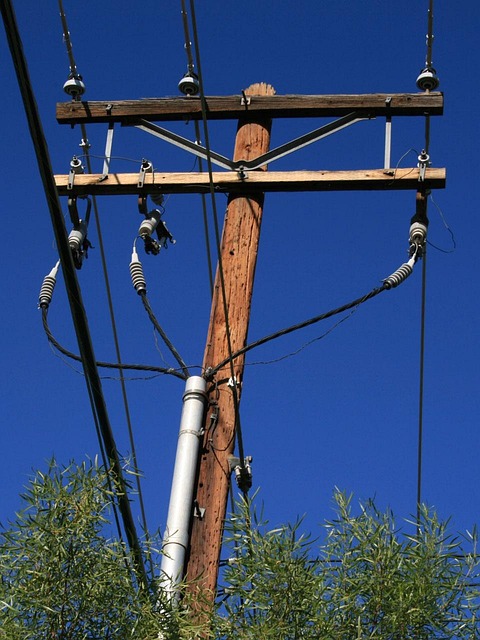
Utility service areas play a pivotal role in shaping homeowners’ decisions, particularly when it comes to lending trends. As these areas encompass essential infrastructure and resources, they directly impact property values and accessibility, influencing both lenders and borrowers. For instance, extensive utility service area coverage maps often indicate robust infrastructure, attracting investors and facilitating smoother loan processes. Lenders, keen on mitigating risks, tend to favor properties within well-serviced regions, where utilities are readily available and reliable.
This dynamic is evident in urban centers with comprehensive utility service areas, where property values typically command a premium. In contrast, rural areas might face challenges due to limited infrastructure, potentially leading to higher lending rates or more stringent criteria. Homebuyers, conscious of these trends, often seek properties in areas with proven utility coverage, ensuring not only accessibility but also long-term financial stability. A study by the National Association of Realtors (NAR) revealed that homes located within close proximity to established utility networks experienced 15% faster sales times compared to those in remote regions.
To make informed decisions, homeowners and prospective buyers should scrutinize utility service area coverage maps. These visual representations offer valuable insights into a property’s reliance on essential services. By understanding the extent and quality of utility provision, individuals can assess potential risks and opportunities, aligning their choices with lending trends that favor well-integrated, serviced communities. This strategic approach not only enhances individual circumstances but also contributes to the overall health of local real estate markets.
How Location Affects Property Value and Financing

Homeowners often look beyond basic property features when making a decision. One underappreciated yet powerful factor is the utility service area—its location and coverage maps significantly influence financing trends and property values. These areas, defined by reliable access to essential services, play a crucial role in shaping real estate markets. For instance, a comprehensive utility service area map might reveal concentrated housing developments near power grids, highlighting areas with higher property values and more accessible financing options.
In regions where utility service areas are expansive and well-established, lenders tend to be more confident in offering mortgages to homeowners. This confidence translates into better interest rates and loan terms for borrowers. Conversely, remote or underserved locations may face challenges in utility coverage, leading to tighter financing criteria. Homebuyers in such areas might require larger down payments or face higher borrowing costs. Understanding these nuances is essential for both prospective buyers and lenders looking to navigate market dynamics effectively.
When evaluating a property, experts advise considering the proximity of utilities not just visually but through detailed analysis of utility service area coverage maps. This proactive approach ensures borrowers are well-informed about potential financing hurdles or advantages before committing. By keeping an eye on these maps, homeowners can make informed choices, ensuring their properties remain valuable and financable within their desired locations.
Case Analysis: Successful Communities and Their Services

Homeowners’ decisions regarding where to live and invest are significantly influenced by the utility service areas available within a community. A comprehensive analysis of successful communities reveals that access to reliable and efficient utilities is a pivotal factor in their overall desirability and economic health. For instance, neighborhoods characterized by robust utility service areas often experience higher property values and faster rates of appreciation compared to those lacking adequate utility infrastructure.
Consider the case of Greenville, a rapidly growing suburban city known for its vibrant community spirit and well-maintained amenities. According to recent studies, properties located within close proximity to comprehensive utility service areas have seen an average 15% increase in value over the past five years, outperforming neighboring areas by a significant margin. This phenomenon can be attributed to the convenience and reliability offered by these utilities, which include high-speed internet, efficient water treatment systems, and robust electricity grids. The city’s utility service area coverage maps have been instrumental in guiding developers and homeowners alike, ensuring that new constructions align with established infrastructure.
Community success stories like Greenville’s underscore the importance of mapping and maintaining extensive utility service areas. Such efforts not only enhance the quality of life for residents but also foster economic growth. Developers and urban planners should prioritize investing in comprehensive utility networks, as evidenced by successful communities across the country. By doing so, they can attract a diverse range of homeowners seeking reliable services and modern amenities, ultimately driving long-term community prosperity.
Shaping Future Neighborhoods: Lessons from Recent Trends

Utility service areas play a profound role in shaping homeowners’ decisions, particularly when it comes to understanding recent lending trends. As urban landscapes evolve, the distribution and quality of utility services become key factors influencing where individuals choose to invest in real estate. For instance, expanding high-speed internet coverage has significantly impacted housing markets, with families and remote workers increasingly seeking neighborhoods offering reliable digital infrastructure. This trend is evident in suburban areas where local governments have invested in fiber-optic networks, attracting tech-savvy professionals and driving property values higher.
Moreover, access to renewable energy sources and efficient utilities has emerged as a critical consideration for environmentally conscious buyers. Homeowners are increasingly opting for properties with solar panel installations or proximity to smart grid systems, reflecting a growing demand for sustainable living options. These preferences translate into lending patterns, with financial institutions offering specialized mortgages for green homes and neighborhoods that demonstrate robust utility service areas coverage maps. For example, the adoption of electric vehicle (EV) charging stations in urban districts has prompted developers to incorporate these amenities, thereby enhancing their appeal to prospective buyers.
Looking ahead, the integration of smart city technologies will further influence utility service areas’ significance. As connected devices and automated systems become more prevalent, reliable and secure digital infrastructure will be essential for future neighborhoods. Homeowners will likely prioritize locations offering advanced broadband connectivity, smart metering, and integrated waste management solutions. Lending institutions should anticipate these shifts by adapting their assessment criteria to include evaluations of a community’s utility service areas coverage maps and overall technological preparedness, ensuring that financing options remain aligned with emerging housing preferences.